Why Lucky 9 Gets Confused With Baccarat
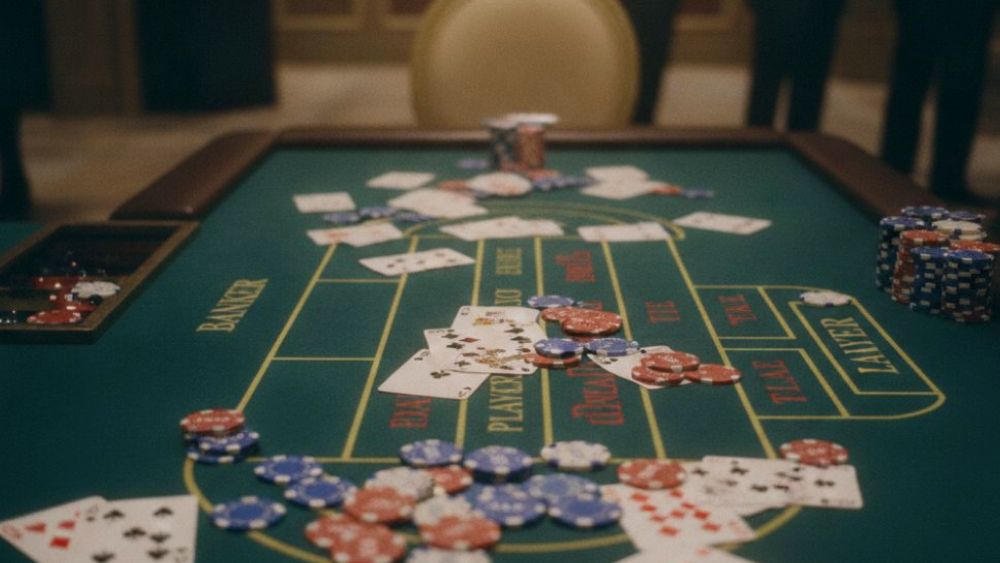
Walk into any casino floor in Entertainment City or open a live-dealer lobby on a Philippine-facing site and you'll see both tables sitting side by side. They look almost identical: a banker, a player, two cards each, and a crowd waiting for the reveal. That similarity is exactly why so many Filipino players assume Lucky 9 is just baccarat with a different name.
It isn't. Lucky 9 is a separate game with its own card values, its own drawing rules, and a payout structure that rewards you differently depending on where you put your money. If you've been betting Lucky 9 with baccarat instincts, you've probably been leaving value on the table.
This guide breaks down the actual mechanics, then puts Lucky 9 and baccarat head to head so you can decide which one deserves your next deposit.
Lucky 9 Rules: Card Values and the Total
The core of Lucky 9 is simple addition, with one twist. Every card counts toward a total, and only the last digit matters.
- Ace = 1 point
- 2 through 9 = face value
- 10, Jack, Queen, King = 0 points
Add your two cards together and drop the tens digit. A 7 and an 8 give you 15, which becomes 5. A King and a 9 give you 9, which stays 9. That final single digit is your hand value, and the highest possible is, naturally, 9.
This is where the first real difference from baccarat shows up. In baccarat, a two-card total of 8 or 9 is a natural and ends the hand immediately. In Lucky 9, a 9 is the best hand but it doesn't automatically stop the action in every variant. Depending on the table, the player may still draw a third card under specific conditions, and that third card is added to the total the same way.
When the third card comes out
Drawing rules vary slightly between land-based tables and online versions, so always read the specific table's rules before betting. The common pattern for the player hand is:
- Player draws a third card if the two-card total is 0 to 4.
- Player stands on 5 or higher in some variants, while others allow a draw on 5.
- The banker's draw is usually tied to the player's action rather than a fixed table.
Because of these variations, the smartest habit is to check the rules panel first. A live dealer table on a Philippine site will usually spell it out in one screen.
Lucky 9 Payouts Explained
Here's the part that actually separates the two games. Baccarat pays even money on both player and banker, with a 5% commission on banker wins. Lucky 9 splits its payouts by hand strength, which changes the risk-and-reward math considerably.
A typical Lucky 9 payout table looks like this:
- Win with 9 — pays around 2:1 to 3:1
- Win with 8 — pays around 2:1
- Win with 7 — pays around 1:1 or slightly better
- Win with 6 or lower — pays around 1:1
Some operators also offer a Tie bet that pays 8:1 or higher, and a handful run side bets on whether either hand hits an exact total. Those side bets are where the house edge creeps up, so treat them as entertainment rather than a strategy.
Winning small hands in Lucky 9 feels unglamorous, but it's the same even-money grind you'd get from baccarat. The upside only appears when you catch a 9 — and that doesn't happen often enough to build a plan around.
The takeaway: Lucky 9 is more volatile than baccarat. Your bankroll swings harder, and a session can go from healthy to thin in a few hands if you're chasing the big 9 payouts.
Lucky 9 vs Baccarat: The Head-to-Head
Laid out plainly, the differences matter more than the similarities.
Card values
Both games treat 10s and face cards as zero. The split happens with the Ace and the natural-hand rule. Baccarat gives the Ace a value of 1 and stops the hand at 8 or 9. Lucky 9 also counts the Ace as 1 but doesn't always freeze the action at 9.
Drawing rules
Baccarat uses a fixed, published drawing table that's identical everywhere. Lucky 9 rules shift between operators. That inconsistency is a real drawback — you can't carry one strategy across every table.
Payouts and volatility
Baccarat's even-money structure keeps variance low and the house edge tight, especially on banker. Lucky 9's tiered payouts make it more exciting but also more unpredictable. If you value a slow, steady session, baccarat is the calmer choice. If you want the shot at a 3:1 hit, Lucky 9 delivers that.
Speed of play
Both move fast, but Lucky 9 hands tend to resolve quicker because there's no commission calculation and fewer side bets in play. Live dealer tables in Manila studios often run 40 to 60 hands per hour, which means your bankroll moves quickly either way.
Where to Play Lucky 9 in the Philippines
Lucky 9 is a staple in Philippine casinos, and it's widely available online through PAGCOR-licensed platforms and offshore operators that accept Filipino players. The live dealer versions are usually streamed from studios in Manila or Cambodia, with Filipino-speaking dealers on many tables — a nice touch if you prefer clear instructions in a familiar accent.
When comparing sites, check these points before you commit:
- Licensing — PAGCOR regulation is the baseline for local trust. Offshore licenses like Curacao or Malta are common but offer less local recourse.
- Table rules — Confirm the drawing rules and payout table on the specific Lucky 9 table, not just the site's general description.
- Bet limits — Live tables often start at ₱50 to ₱100 and cap around ₱10,000 to ₱50,000. Match the limits to your bankroll.
- Payment methods — GCash, Maya, and bank transfers are standard. Check withdrawal processing times before depositing.
Also look at whether the platform publishes its RNG certification for any digital (non-live) Lucky 9 tables. Live dealer games don't need an RNG, but auto-generated versions do.
Practical Tips Before You Sit Down
No strategy turns Lucky 9 into a positive-expectation game. The house edge is built in, and no betting pattern erases it. What you can control is how long your bankroll lasts and how much fun you get out of it.
A few habits that help:
- Set a session limit — Decide on a loss number and a win number before your first bet, then walk away when you hit either.
- Skip the side bets — Tie and exact-total bets carry a heavier house edge. Stick to the main hand.
- Bet flat, not chasing — Martingale-style doubling after losses gets expensive fast on a volatile game like this.
- Play the demo first — Many sites offer free-play Lucky 9 so you can learn the flow without risking pesos.
The game rewards patience more than aggression. Treat the big 9 payouts as a bonus, not a plan, and you'll enjoy the session more.
Final Comparison: Which Game Fits You?
Pick baccarat if you want the lowest house edge, predictable rules, and a steady grind. The banker bet remains one of the best-value wagers in any casino, and the fixed drawing table means you always know what's coming.
Pick Lucky 9 if you want a faster, punchier game with higher payout ceilings and you're comfortable with bigger swings. It's also a great choice for players who find baccarat's commission structure annoying — Lucky 9 keeps the math clean.
Both games are available at Philippine online casinos, and both reward players who understand the rules before they bet. Read the table rules, set your limits, and the choice becomes a matter of temperament rather than guesswork.
Frequently Asked Questions
What is the best hand in Lucky 9?
A total of 9 is the highest possible hand. It's formed by adding your cards and taking only the last digit of the sum.
Is Lucky 9 the same as baccarat?
No. They share card values for 10s and face cards, but Lucky 9 has different drawing rules and tiered payouts based on your winning total, while baccarat pays even money with fixed rules.
Can I play Lucky 9 online in the Philippines?
Yes. It's offered on PAGCOR-licensed platforms and many offshore sites that accept Filipino players, usually as a live dealer table with peso bet limits.
Does Lucky 9 have a strategy that beats the house?
There's no strategy that removes the house edge. You can manage risk with flat betting, session limits, and avoiding side bets, but the game remains negative expectation.